

Modern life moves fast. Between work responsibilities, digital distractions, social obligations, and personal goals, many people feel stretched thin and disconnected from what truly matters. A modern lifestyle is not just about convenience or technology; it is about learning how to live well in a world that constantly demands attention, productivity, and adaptability.
This article explores practical, realistic lifestyle tips designed for modern life, combining timeless wisdom with current trends. Whether you are just beginning your wellness journey or refining habits you already have, these insights aim to help you live with more purpose, balance, and energy.
Read Also: How to Balance Work and Life in a Busy World
Understanding the Modern Lifestyle
What Defines a Modern Lifestyle Today
A modern lifestyle is shaped by rapid technological growth, urbanization, flexible work environments, and evolving social norms. People are more connected than ever, yet many feel isolated or overwhelmed. Daily routines often involve long screen hours, sedentary work, and constant multitasking, all of which can quietly affect health and happiness.
At the same time, modern living offers powerful tools for improvement. Access to information, wellness resources, and global communities allows individuals to customize their lifestyles like never before. The challenge lies in using these tools mindfully rather than letting them control daily life.
Why Lifestyle Choices Matter More Than Ever
Lifestyle choices directly influence energy levels, stress, productivity, and long-term health. Small daily decisions around food, movement, sleep, and digital habits accumulate over time. In a fast-paced environment, neglecting these areas can lead to burnout, chronic stress, and declining motivation.
Better living is not about perfection. It is about consistency, self-awareness, and adapting habits to fit real-life demands. Modern lifestyle improvements focus on sustainability rather than short-term fixes.
Building a Strong Foundation for Better Living
Prioritizing Physical Health in Daily Life
Physical health remains the cornerstone of a balanced lifestyle. Without adequate energy and mobility, it becomes difficult to focus on mental growth or emotional well-being. Modern living often reduces natural movement, making intentional physical activity more important than ever.
Incorporating movement does not require extreme workouts. Walking, stretching, bodyweight exercises, and recreational sports all contribute to cardiovascular health and muscle strength. Consistency matters more than intensity, especially for long-term results.
Nutrition for the Modern Individual
Modern nutrition is less about rigid diets and more about mindful eating. Busy schedules often lead to processed foods, irregular meals, and emotional eating. Over time, these habits can disrupt metabolism and energy levels.
A balanced approach focuses on whole foods, adequate hydration, and listening to hunger cues. Including fruits, vegetables, lean proteins, healthy fats, and complex carbohydrates supports both physical and cognitive performance. Flexibility is key, allowing enjoyment without guilt while maintaining nutritional awareness.
Sleep as a Lifestyle Priority
Sleep is often undervalued in modern culture, yet it is essential for recovery, focus, and emotional regulation. Poor sleep habits are linked to decreased productivity and increased stress.
Establishing a consistent sleep routine, limiting screen exposure before bed, and creating a calming sleep environment can significantly improve rest quality. Better sleep enhances decision-making, mood stability, and overall life satisfaction.
Mental Well-Being in a Fast-Paced World
Managing Stress in Everyday Life
Stress is an unavoidable part of modern living, but chronic stress does not have to be. Learning how to manage stress effectively is a core lifestyle skill. Awareness is the first step, recognizing personal triggers and early signs of overwhelm.
Practical stress management techniques include deep breathing, journaling, time blocking, and regular breaks from work. Even short moments of stillness throughout the day can reset the nervous system and improve focus.
The Role of Mindfulness and Mental Clarity
Mindfulness has become a major trend in modern wellness, and for good reason. It encourages presence, intentionality, and emotional balance. Rather than reacting automatically to situations, mindfulness helps individuals respond with clarity.
Simple practices such as focused breathing, mindful walking, or single-tasking can create noticeable shifts in mental well-being. Over time, mindfulness improves concentration, reduces anxiety, and supports better decision-making.
Digital Balance and Mental Health
Technology enhances productivity and connection, but constant digital exposure can strain mental health. Notifications, social media, and endless content consumption often fragment attention and increase comparison.
Creating digital boundaries is an important modern lifestyle habit. This may include scheduled screen-free time, turning off non-essential notifications, or limiting social media use. A healthier relationship with technology restores focus and mental calm.
Creating Healthy Daily Habits
Designing a Morning Routine That Works
A well-structured morning routine sets the tone for the entire day. Modern mornings often begin with rushing or checking phones immediately, which can elevate stress before the day truly begins.
An effective morning routine includes hydration, light movement, and a few moments of intention-setting. Even 15 to 30 minutes of mindful activity can improve mood, energy, and productivity throughout the day.
Time Management for Better Living
Time is one of the most valuable resources in modern life. Poor time management often leads to stress, procrastination, and reduced quality of life. Effective planning allows space for both productivity and rest.
Techniques such as prioritizing tasks, batching similar activities, and scheduling downtime help create a more balanced day. Better living involves recognizing that rest is not wasted time but a necessary component of sustainable success.
Building Consistency Without Burnout
Many people struggle with maintaining habits because they aim for drastic changes. A modern lifestyle approach favors small, repeatable actions that fit naturally into daily routines.
Consistency grows from realistic expectations. Focusing on progress rather than perfection allows habits to evolve without pressure. Over time, these small efforts compound into meaningful lifestyle improvements.
Social Connections and Emotional Health
The Importance of Meaningful Relationships
Human connection remains essential, even in a digitally connected world. Strong relationships contribute to emotional stability, resilience, and overall happiness. Modern life can unintentionally deprioritize relationships due to busy schedules.
Making time for meaningful conversations, shared experiences, and emotional support strengthens bonds. Quality matters more than quantity when it comes to social connections.
Setting Boundaries for Emotional Well-Being
Healthy boundaries protect energy and emotional health. Many people struggle with overcommitment, people-pleasing, or lack of personal space. Over time, this can lead to resentment or exhaustion.
Learning to say no respectfully and communicating needs clearly supports healthier relationships. Boundaries are not barriers; they are tools for maintaining balance and self-respect.
Emotional Intelligence in Modern Life
Emotional intelligence plays a critical role in navigating modern environments. Understanding personal emotions and recognizing others’ feelings improves communication and conflict resolution.
Developing emotional awareness allows individuals to respond thoughtfully rather than react impulsively. This skill enhances both personal relationships and professional interactions.
Personal Growth and Purposeful Living
Continuous Learning as a Lifestyle Habit
Modern living encourages lifelong learning. With access to knowledge across multiple platforms, personal growth is more accessible than ever. Learning new skills keeps the mind engaged and adaptable.
Whether through reading, creative pursuits, or practical skills, continuous learning fosters confidence and purpose. Growth-oriented lifestyles support long-term satisfaction and resilience.
Aligning Daily Life With Personal Values
A fulfilling lifestyle aligns actions with values. Many people feel unfulfilled not because they lack success, but because their daily routines do not reflect what matters most to them.
Clarifying values helps guide decisions around work, relationships, and personal goals. Living in alignment reduces internal conflict and increases a sense of meaning.
Redefining Success in Modern Times
Modern success is no longer defined solely by financial achievement or status. Increasingly, people prioritize flexibility, well-being, and fulfillment.
Redefining success allows individuals to design lifestyles that support both ambition and balance. This perspective encourages healthier goal-setting and sustainable motivation.
Sustainable Living and Conscious Choices
Integrating Sustainability Into Daily Life
Modern lifestyle trends increasingly emphasize sustainability. Conscious consumption, waste reduction, and mindful resource use contribute to both environmental and personal well-being.
Small actions such as reducing single-use items, choosing quality over quantity, and being mindful of energy use make a meaningful impact over time.
Financial Well-Being as a Lifestyle Factor
Financial stress significantly affects quality of life. Modern financial well-being focuses on awareness, planning, and intentional spending rather than restriction.
Creating budgets, saving consistently, and aligning spending with values provide a sense of control and security. Financial clarity supports mental peace and long-term stability.
Creating a Living Environment That Supports Well-Being
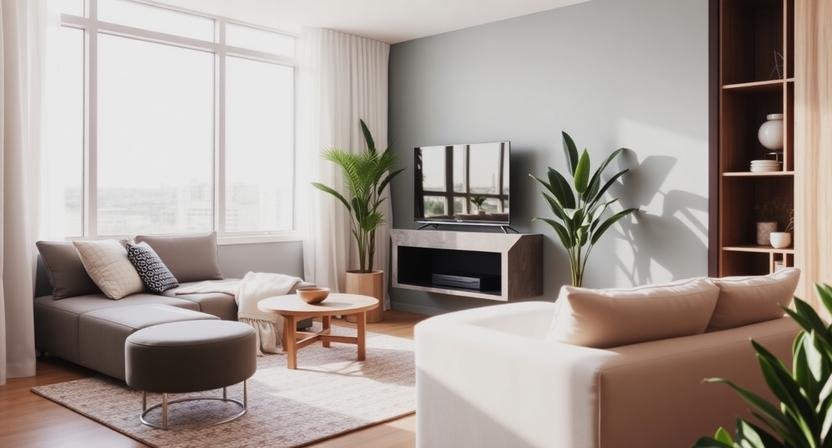
Physical surroundings influence mood and productivity. A cluttered or chaotic environment can increase stress, while an organized space promotes calm and focus.
Simple changes such as decluttering, improving lighting, and adding personal touches can transform living spaces. A supportive environment reinforces positive lifestyle habits.
Adapting to Change in a Modern World
Flexibility as a Core Lifestyle Skill
Change is constant in modern life. Careers evolve, technology advances, and personal priorities shift. Flexibility allows individuals to adapt without losing stability.
Embracing change as a natural part of growth reduces resistance and fear. A flexible mindset supports resilience during transitions.
Balancing Ambition and Well-Being
Ambition drives progress, but unchecked ambition can lead to burnout. Modern lifestyle balance involves pursuing goals while respecting personal limits.
Regular self-check-ins help assess whether current efforts support overall well-being. Sustainable ambition prioritizes health, relationships, and personal fulfillment alongside achievement.
Conclusion
Better living in the modern world is not about following trends or chasing perfection. It is about understanding personal needs, making intentional choices, and creating habits that support long-term well-being. A modern lifestyle thrives on balance, awareness, and adaptability.